
Practical
A practical remedy comparison for Homeopaths and students: follow the nausea, its accompanying symptoms and its modalities into precise repertory entries.
Travel sickness puts Cocculus, Tabacum and Petroleum close together in the repertory. Nausea during a journey is common to all three. The useful distinctions lie in what accompanies it: exhaustion after lost sleep, pallor with cold perspiration and relief from uncovering, or an empty stomach with hunger and a particular response to food.
This article is for Homeopaths and students studying traditional Materia Medica. It is for educational purposes and does not replace individual medical advice.
For practical travel advice, the NHS motion sickness guide suggests looking towards the horizon, getting fresh air and avoiding reading or screens. A pharmacist can advise on medicines. Contact NHS 111 if vomiting prevents you from keeping fluids down; seek emergency care for sudden severe headache or abdominal pain, blood or green vomit, or confusion. See NHS vomiting guidance for further advice.
The three pictures at a glance
| Remedy | Picture to investigate | Detail that sharpens the comparison |
|---|---|---|
| Cocculus indicus | Nausea and dizziness with marked weakness; poor sleep adds context. | Does looking at moving objects provoke nausea? What changed after losing sleep? |
| Tabacum | Intense nausea with pallor, coldness and cold perspiration. | Does fresh air help? Does uncovering the abdomen specifically lessen the nausea? |
| Petroleum | Travel-related nausea with an empty feeling or hunger. | What happens to nausea after eating, separately from stomach pain or weakness? |
These features overlap. Cold sweat is not exclusive to Tabacum, and nausea during a journey is not enough to distinguish any of the three. A reliable modality, meaning a factor that makes a symptom better or worse, is more useful when its scope is clear.
Cocculus: motion sensitivity with exhaustion
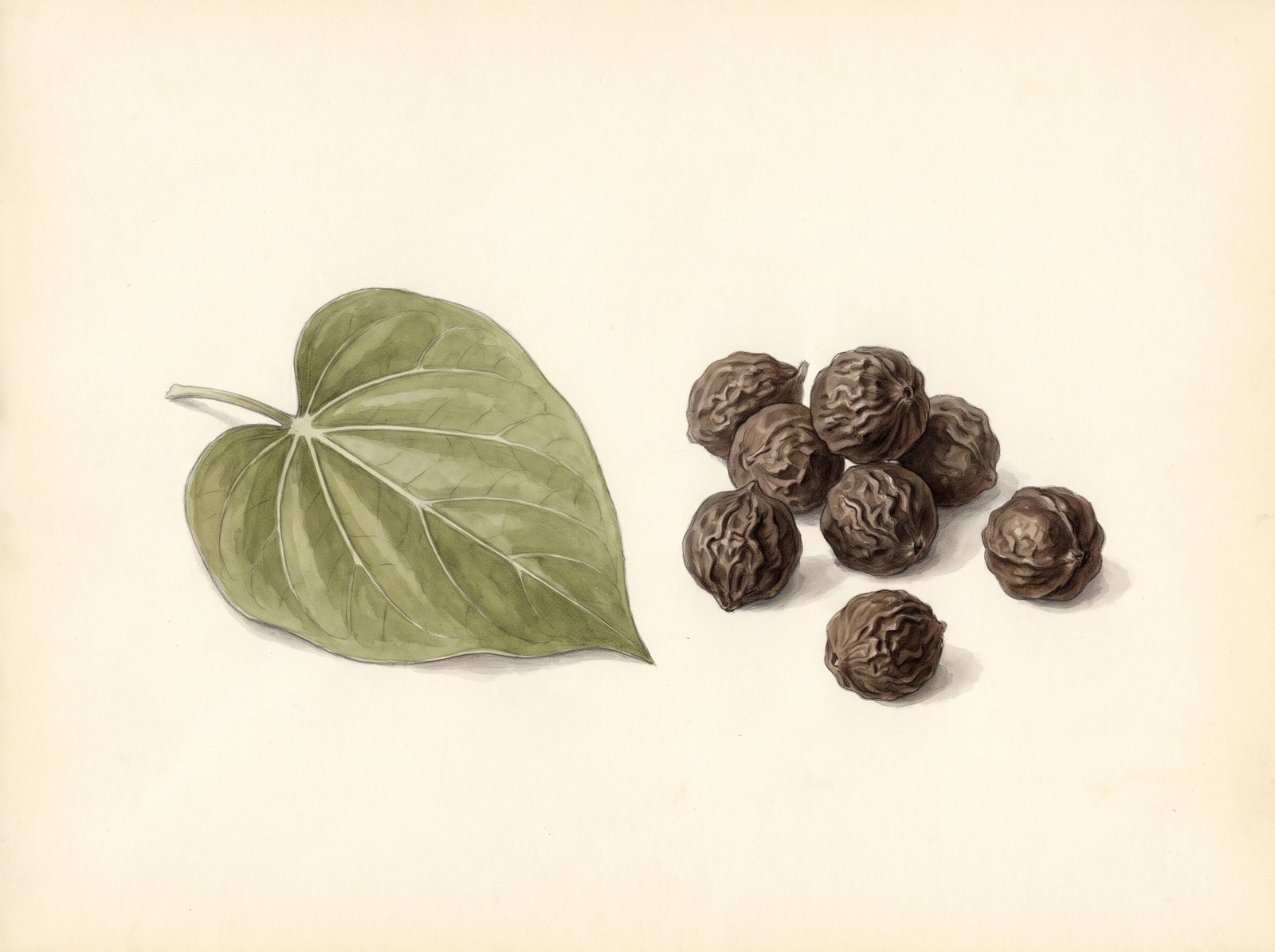
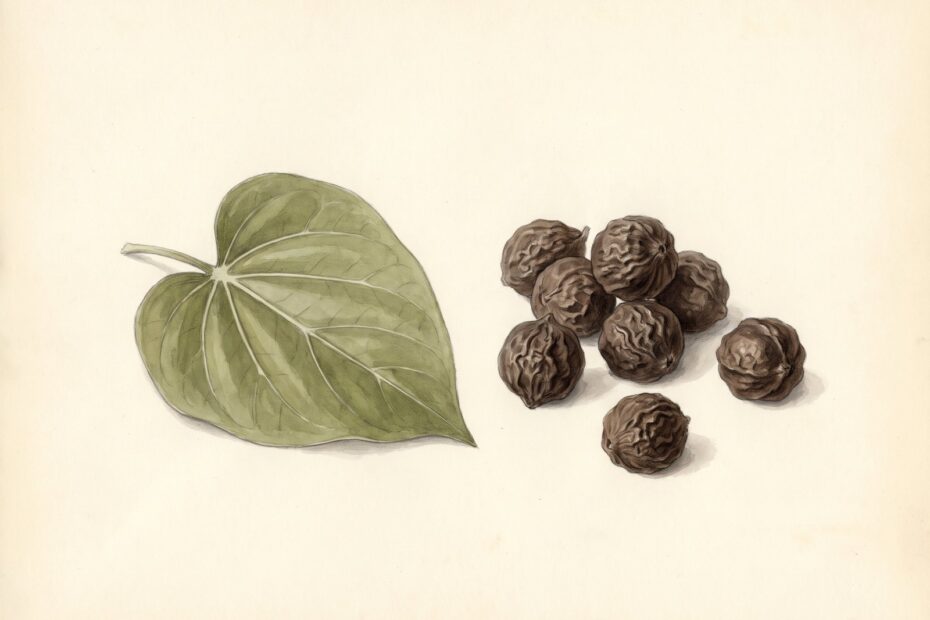
The Cocculus picture combines nausea, dizziness and weakness. In Boericke’s Cocculus description, riding and even looking at a boat in motion provoke nausea. The person may feel faint, dislike food and find ordinary activity exhausting. Loss of sleep and night watching belong to the wider picture.
Establish the sequence rather than treating tiredness as a shortcut. Did a sleepless night precede the journey? Was the person already weak before the motion began? Does watching passing scenery make the nausea worse, or is the difficulty specifically reading in the vehicle? Those observations are related, but they are not interchangeable.
The rubric for nausea when looking at moving objects gives a precise route into Cocculus. A separate rubric records headache after sleep loss from night watching. Use the latter only when there is headache with that history; it is not a rubric for nausea after any poor night’s sleep. This distinction keeps the remedy picture broader than the individual rubrics used to describe the episode.
Tabacum: cold pallor with a wish to uncover
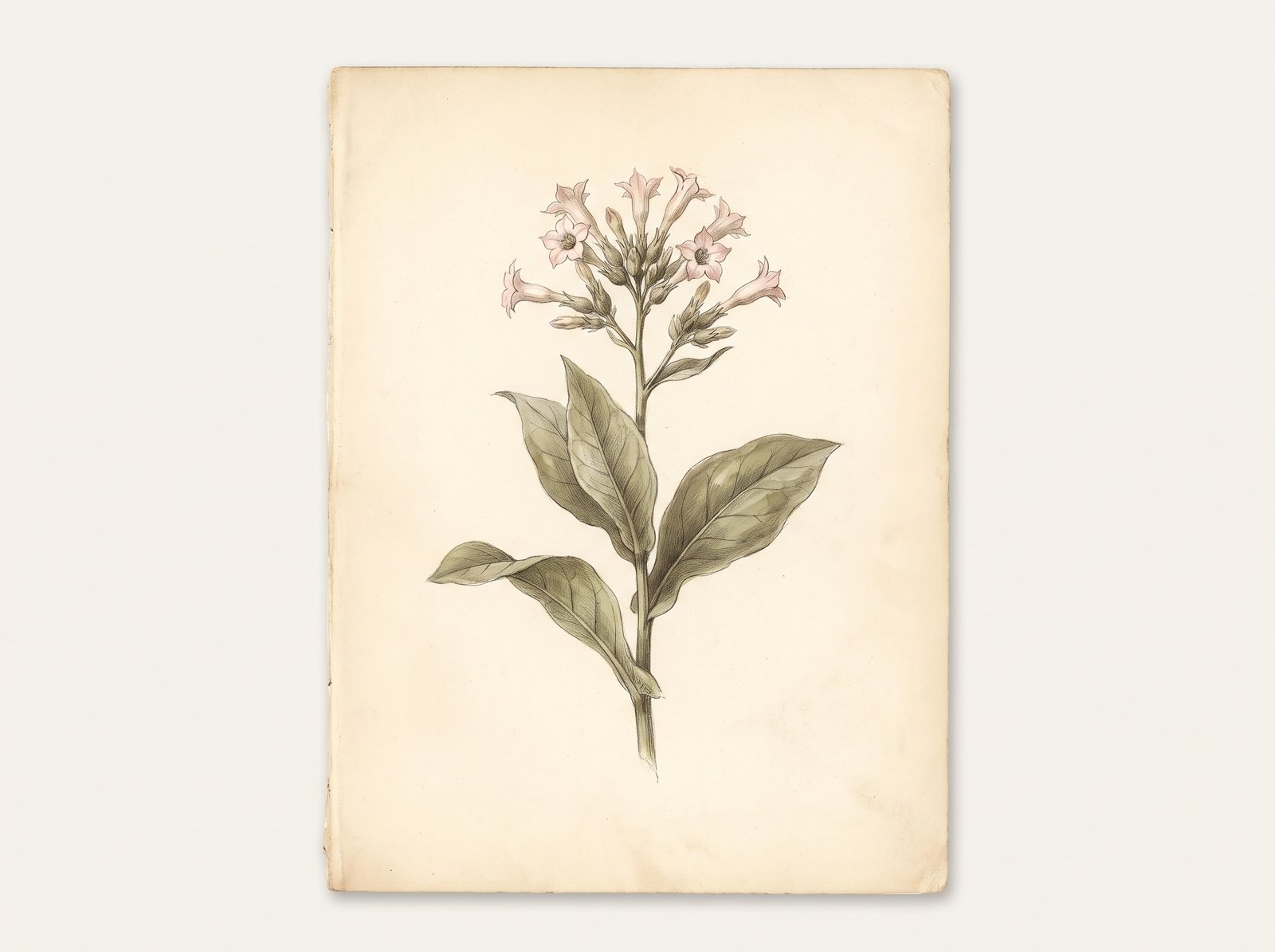
Tabacum has a striking traditional combination: intense nausea, marked pallor, icy coldness and perspiration. Boericke’s Tabacum description adds vomiting from slight motion and relief from fresh air. More distinctive is the wish to uncover the abdomen despite feeling cold, with lessening of nausea and vomiting.
Separate these observations in the enquiry. Feeling cold does not tell you whether covering helps. Fresh air, a cooler room and removing a covering from the abdomen are different changes. Record which one the person noticed and which symptom improved. Do not manufacture the uncovering modality merely because someone opened a car window.
Cold perspiration with nausea also appears under Petroleum. It gains comparative value when considered with the rest of the Tabacum description, especially the specific relief from uncovering. Marked pallor with collapse or altered responsiveness requires urgent clinical assessment, not a more elaborate repertory search.
Petroleum: hunger, emptiness and the effect of food
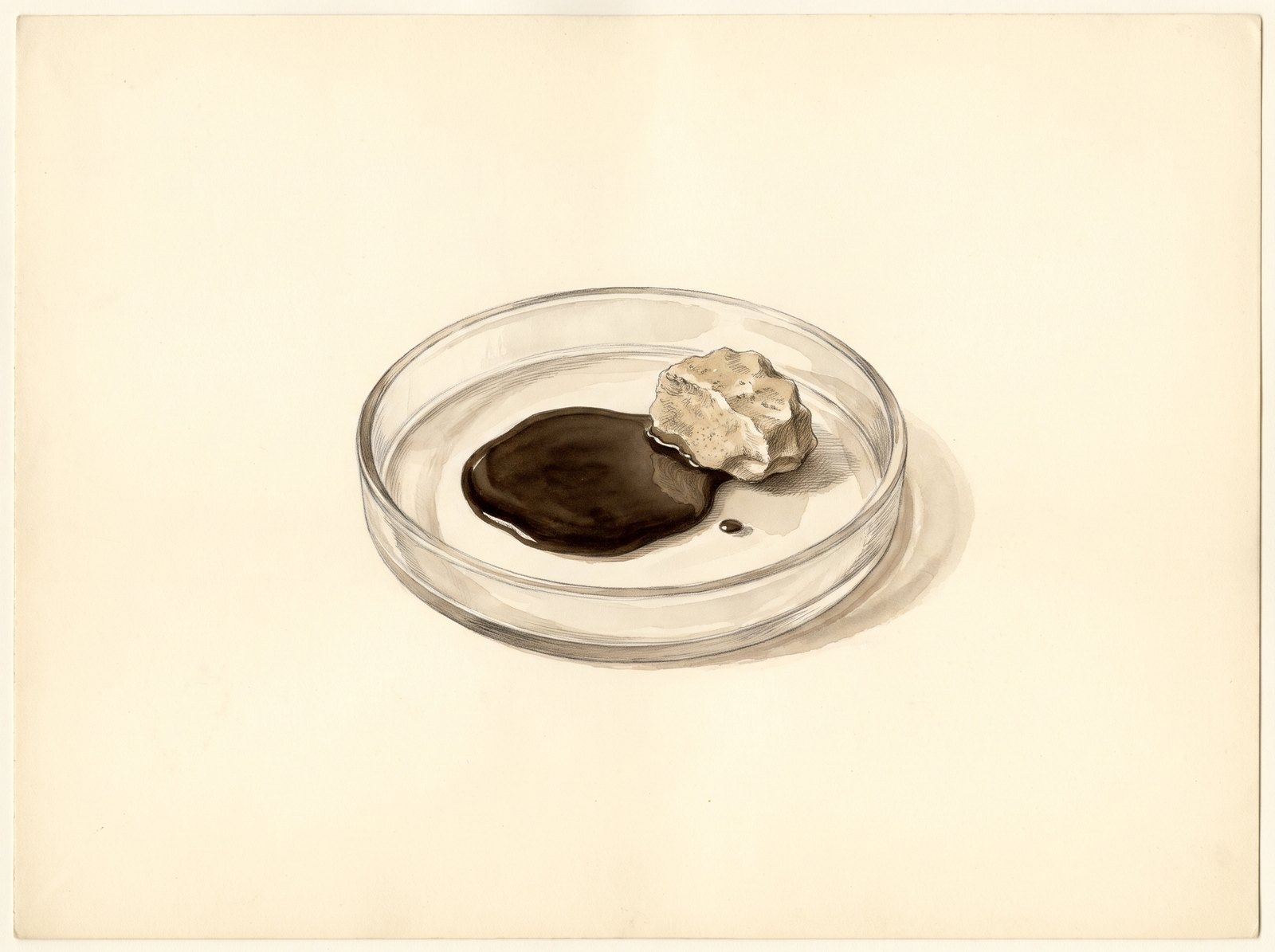
Petroleum also belongs in the comparison of nausea from passive motion. Its digestive picture includes emptiness, hunger and nausea with saliva collecting in the mouth. Boericke’s Petroleum description distinguishes stomach pain when empty, relieved by eating, from other gastric complaints. That distinction matters: relief of pain does not automatically mean relief of nausea.
The repertory includes Petroleum in nausea with hunger and nausea better after eating. It also includes it in nausea worse after eating. Ask what happens in this particular episode: does food settle the nausea, relieve an empty or painful stomach, restore strength, or make matters worse? Record the timing and the symptom that changes. “Better for food” is too broad unless the account supports it.
A history of rough, fissured skin worse in winter may add context to the wider Petroleum description, but it should not be invented or made a requirement for every travel-related episode. For the immediate comparison, the relationship between motion, hunger, emptiness and food gives the more useful line of enquiry.
Keynote rubrics to check in context
Start with the shared complaint, then add only the distinctions actually reported. The following paths preserve the scope of the repertory entries. Here, “amel.” means better and “agg.” means worse. Membership is shown for these three remedies only; other remedies may belong to the same rubric.
| Rubric path | Among these three | Reading the entry carefully |
|---|---|---|
| STOMACH – NAUSEA – seasickness | Cocculus, Tabacum, Petroleum | Shared starting point; does not separate the three. |
| STOMACH – NAUSEA – looking – moving objects, at | Cocculus | Visual motion, not automatically reading. |
| HEAD – PAIN – sleep – loss of; from – night watching; from | Cocculus | A headache rubric; preserve its location and cause. |
| STOMACH – NAUSEA – air; in open – amel. | Tabacum | Relief of nausea in open air. |
| STOMACH – NAUSEA – uncovering – amel. | Tabacum | Do not add “abdomen” to the path; that detail comes from Materia Medica. |
| PERSPIRATION – COLD – nausea; with | Tabacum, Petroleum | Shared accompaniment; not a unique Tabacum keynote. |
| STOMACH – NAUSEA – hunger – with | Petroleum | Hunger accompanying nausea. |
| STOMACH – NAUSEA – eating – after – amel. | Petroleum | Check nausea itself improves after food. |
Read each rubric alongside its source passage and the wider remedy picture. A single-remedy entry does not mean that every person reporting that symptom needs the same remedy. Check the edition and source references in the repertory you use. Petroleum’s opposite after-eating entry is a useful reminder that a compact keynote cannot stand for every observation recorded under a remedy.
Use reverse repertory searches to test the comparison
A reverse repertory search begins with a remedy and asks which rubrics contain it. For comparison, search each candidate with the same theme, such as nausea, seasickness and riding. This shows the shared territory before a more focused search follows the distinguishing modalities. A ranked result is a prompt to inspect a rubric, not evidence that it is the best fit.
- Record the episode in ordinary language: the motion involved, onset, sensations, accompanying symptoms and recovery.
- Open the relevant rubric and its parent headings. Confirm that it describes the reported symptom, including what becomes better or worse.
- Read the source passage behind a striking keynote. Keep a proving observation, a later clinical addition and an editorial summary distinct.
- Return to the account and check for contradictions. Do not count several versions of the same observation as independent evidence.
The most useful final note is specific: what provoked the nausea, what accompanied it and what reliably changed it. That makes the Cocculus, Tabacum and Petroleum comparison easier to review, and leaves room to reconsider it when the episode does not fit the initial picture.
For further repertory study, see the RadarOpus software overview and compare each selected entry with the Materia Medica available in your own library.